Foods That Fight Inflammation: The Best Anti-Inflammatory Foods for a Healthier Body
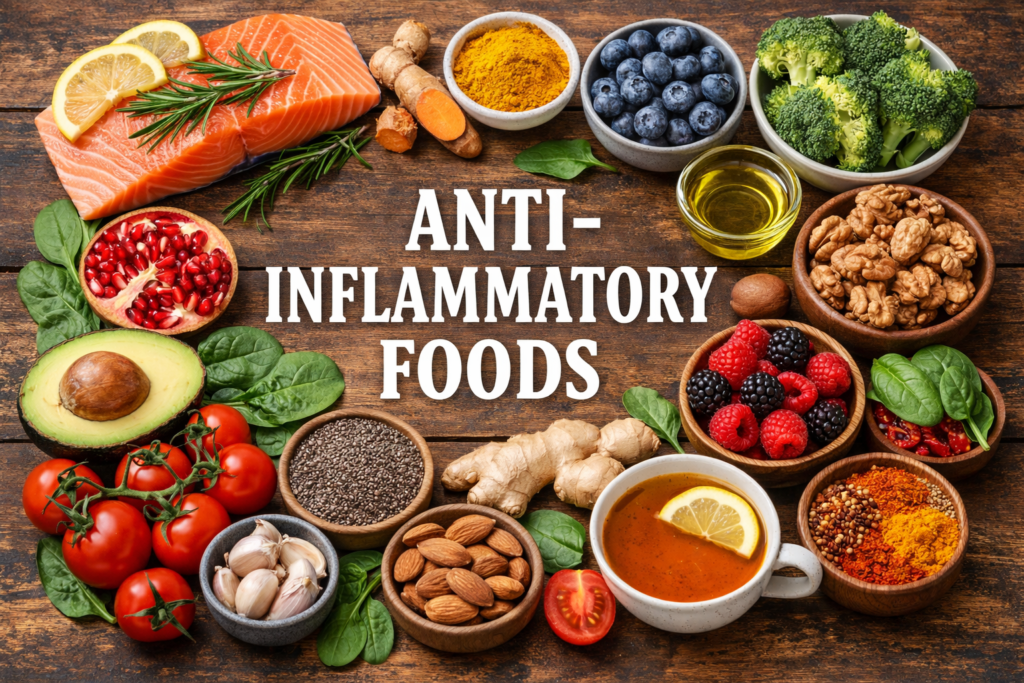
Chronic inflammation is linked to a wide range of health issues, including joint pain, digestive problems, heart disease, autoimmune conditions, and fatigue. While short-term inflammation is part of the body’s natural healing process, long-term inflammation can quietly damage your health over time.
The good news? Your diet plays a major role. Adding the right anti-inflammatory foods to your daily meals can help reduce inflammation naturally and support overall wellness.
Below is a complete guide to the best foods that fight inflammation, how they work, and how to include them in an anti-inflammatory diet.
What Is Inflammation?
Inflammation is your body’s immune response to injury, infection, or stress. Acute inflammation is helpful, but chronic inflammation can lead to serious health problems if left unchecked.
Diet is one of the most effective tools for reducing inflammation. Certain foods actively fight inflammation, while others can trigger it.
Top Foods That Fight Inflammation Naturally
1. Fatty Fish
Fatty fish are some of the most powerful anti-inflammatory foods available.
Best options include:
- Salmon
- Sardines
- Mackerel
- Tuna
These fish are rich in omega-3 fatty acids, which help reduce inflammatory markers in the body and support heart and brain health.
SEO keywords: fatty fish anti-inflammatory, omega-3 foods, inflammation diet
2. Leafy Green Vegetables
Leafy greens are loaded with antioxidants and anti-inflammatory compounds.
Top anti-inflammatory greens:
- Spinach
- Kale
- Swiss chard
- Collard greens
These vegetables help neutralize free radicals and reduce oxidative stress, a major contributor to chronic inflammation.
3. Berries
Berries are packed with antioxidants called polyphenols, which help fight inflammation at the cellular level.
Best berries for inflammation:
- Blueberries
- Strawberries
- Raspberries
- Blackberries
Berries are also low in sugar and high in fiber, making them ideal for an anti-inflammatory diet.
4. Olive Oil
Extra virgin olive oil is a cornerstone of the Mediterranean diet, which is well known for its anti-inflammatory benefits.
Olive oil contains oleocanthal, a compound shown to have effects similar to anti-inflammatory medications.
Tip: Use extra virgin olive oil for salad dressings and low-heat cooking for maximum benefits.
5. Nuts and Seeds
Nuts and seeds provide healthy fats, fiber, and antioxidants that help lower inflammation.
Best anti-inflammatory choices:
- Almonds
- Walnuts
- Chia seeds
- Flaxseeds
Walnuts, in particular, are rich in omega-3 fatty acids that help regulate inflammation.
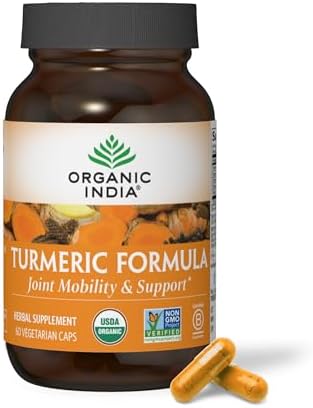
6. Turmeric
Turmeric is one of the most researched anti-inflammatory spices.
Its active compound, curcumin, has powerful anti-inflammatory and antioxidant properties. For best absorption, pair turmeric with black pepper.
Easy ways to use turmeric:
- Golden milk
- Soups and stews
- Smoothies
7. Ginger
Ginger has been used for centuries to reduce inflammation and support digestion.
It may help relieve muscle soreness, joint pain, and inflammation-related digestive issues.
Fresh ginger, ginger tea, or powdered ginger all provide benefits.
8. Tomatoes
Tomatoes are high in lycopene, an antioxidant linked to reduced inflammation.
Cooking tomatoes increases lycopene absorption, making tomato sauce and roasted tomatoes excellent anti-inflammatory options.
9. Green Tea
Green tea contains catechins, which are powerful antioxidants that help reduce inflammation and support immune health.
Drinking green tea regularly may lower the risk of chronic inflammatory conditions.
10. Dark Chocolate
Yes—dark chocolate can fight inflammation when consumed in moderation.
Choose dark chocolate with at least 70% cocoa content to maximize antioxidants and minimize added sugar.
Foods That Cause Inflammation (Limit These)
To fully benefit from an anti-inflammatory diet, it’s important to limit foods that promote inflammation:
- Refined carbohydrates
- Sugary drinks
- Fried foods
- Processed meats
- Excess alcohol
Reducing these foods while increasing anti-inflammatory foods can significantly improve overall health.
Benefits of an Anti-Inflammatory Diet
Following a diet rich in foods that fight inflammation may help:
- Reduce joint pain and stiffness
- Improve digestion and gut health
- Support heart health
- Boost energy levels
- Strengthen the immune system
An anti-inflammatory diet isn’t about restriction—it’s about choosing foods that support long-term health.
Final Thoughts: Eating to Reduce Inflammation
Adding more anti-inflammatory foods to your meals is one of the simplest and most effective ways to support your health naturally. By focusing on whole foods like fatty fish, leafy greens, berries, healthy fats, and spices, you can help reduce inflammation and feel your best.
Start small, stay consistent, and let food work as a powerful tool for healing.
Free Meal Plan for an Anti-inflammatory diet